
Great Zimbabwe: stone, city and trade
The remains of a medieval trading centre tell a Zimbabwean story of architecture, exchange and historical achievement.
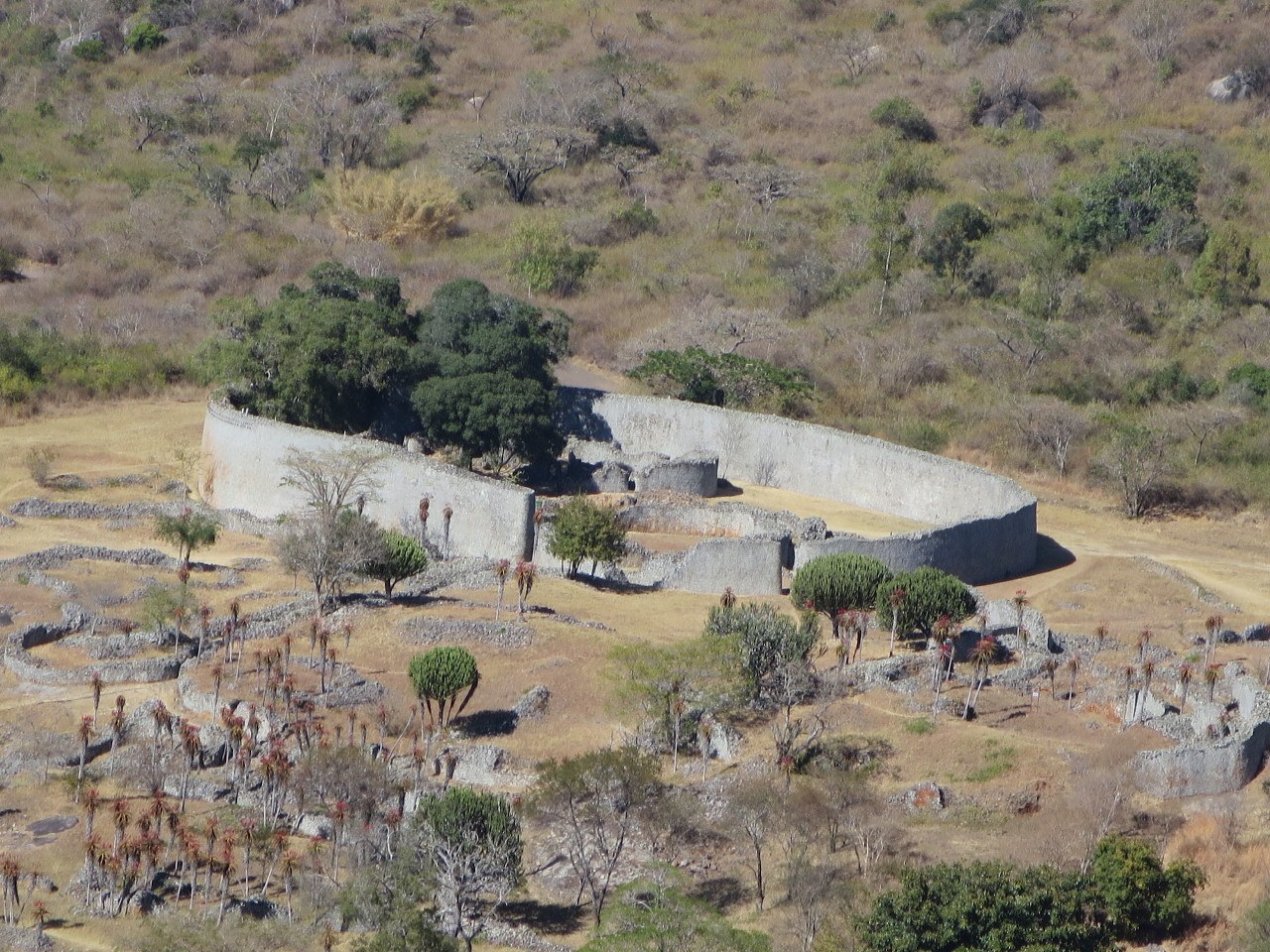
An original summary of the sources below, not original field reporting. Contributor and cultural review are pending.
A city written in stone.
Great Zimbabwe is more than a single monument. UNESCO describes a city that extended across nearly 80 hectares and became an important trading centre. Its surviving ruins offer a starting point for thinking about architecture alongside the movement of people, goods and ideas.
The World Heritage Centre identifies the site as evidence of Shona civilization between the eleventh and fifteenth centuries. That historical description matters: the significance of the place rests in Zimbabwe’s own past, rather than in romantic legends that have sometimes been attached to its ruins.
Great Zimbabwe National Monument entered the World Heritage List in 1986. This short account draws on UNESCO’s published description. It is not an archaeological field report or a substitute for interpretations by Zimbabwean researchers and heritage custodians.
Sources
The story continues.
Our publication will grow through consent-based reporting and contributions from people with relevant knowledge and lived experience.
Our editorial principles →