
Matobo Hills: rock, art and living heritage
Granite formations, rock paintings and sacred places connect a striking landscape with long histories of human presence.
An original summary of the sources below, not original field reporting. Contributor and cultural review are pending.
A landscape with many layers.
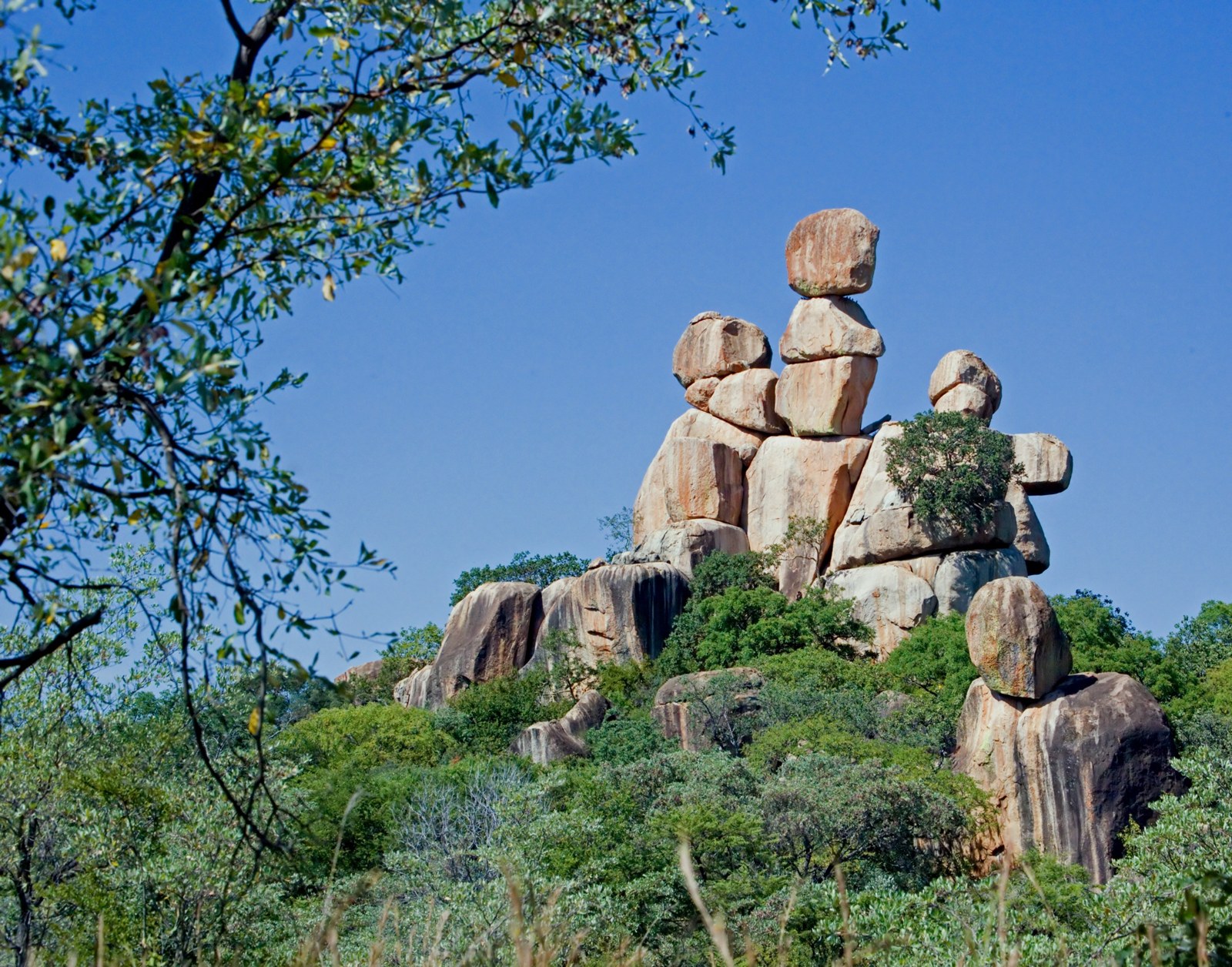
Large granite formations give the Matobo Hills their distinctive profile. UNESCO describes boulders that create natural shelters, with evidence of human presence stretching from the Early Stone Age into early historical times and intermittent occupation since.
The hills also contain an exceptional collection of rock paintings. These images place human expression within the landscape’s long history. They should not be treated as decorative motifs detached from the places and histories in which they survive.
UNESCO describes an ongoing relationship between local communities and the hills, including shrines and sacred places connected with traditional, social and economic activities. Sacred practices are not interchangeable, and this account does not claim to explain restricted knowledge. It introduces the documented heritage while leaving interpretation to knowledgeable custodians.
Sources
The story continues.
Our publication will grow through consent-based reporting and contributions from people with relevant knowledge and lived experience.
Our editorial principles →