
Mbira: the craft behind the music
Metal keys, interweaving melodies and the apprenticeship that keeps a musical practice moving between generations.
An original summary of the sources below, not original field reporting. Contributor and cultural review are pending.
An instrument, a craft, a living practice.
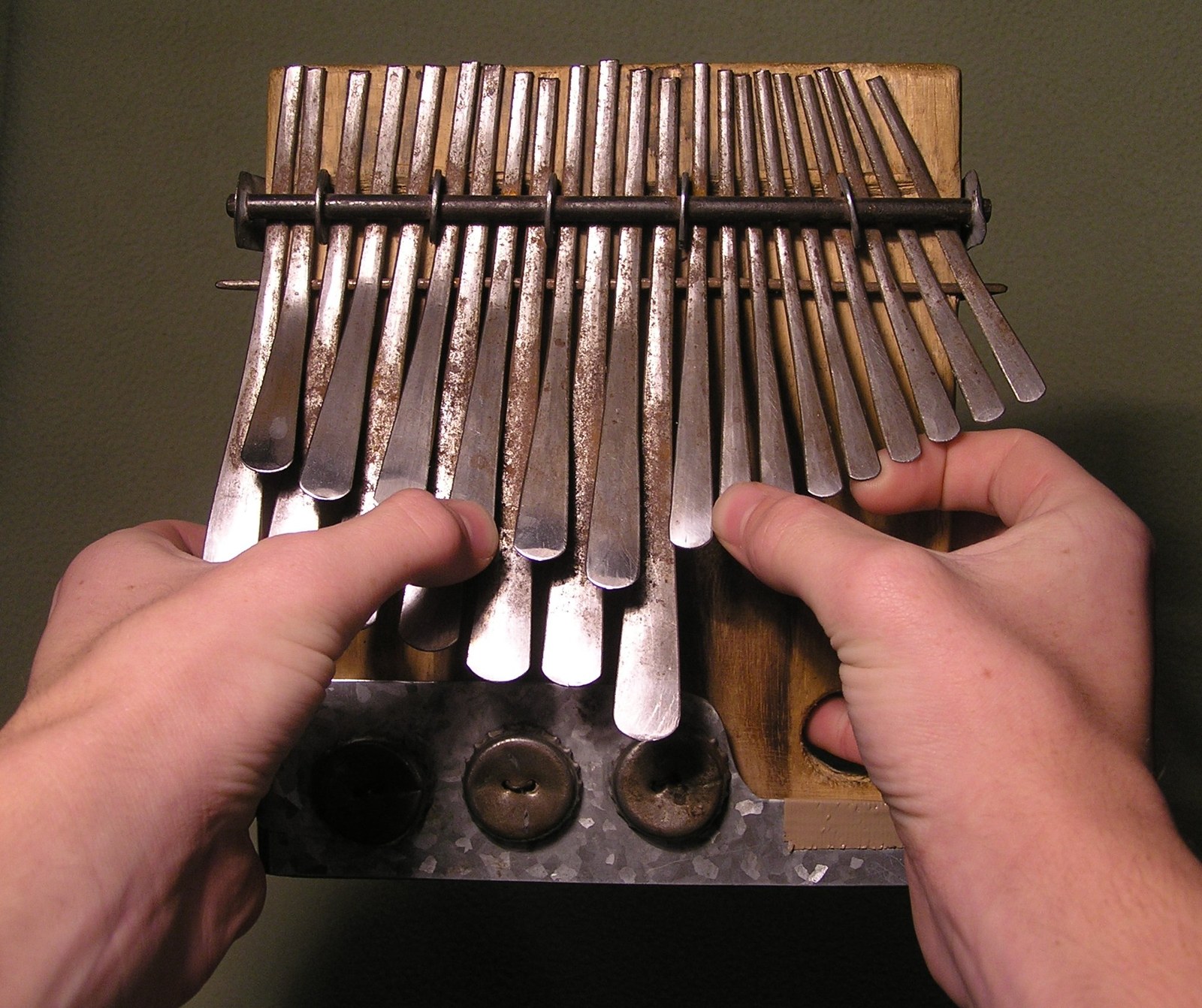
A mbira begins with materials and skilled hands. Metal keys are attached to a wooden board, sometimes mounted on a calabash or wooden resonator. A player plucks the keys with thumbs or fingers. UNESCO’s account of the Mbira/Sansi tradition brings the making and the music into the same story.
The music is described as cyclical: recurring themes vary as melodies interweave. Learning has traditionally involved apprenticeship within families. UNESCO also records formal coaching and teaching in some schools, showing that transmission can take more than one form.
In 2020, the shared Malawi and Zimbabwe practice of crafting and playing Mbira/Sansi entered UNESCO’s Representative List of the Intangible Cultural Heritage of Humanity. The recognition is for a living practice, not simply an object. This summary does not speak for every musician or community; their own accounts remain essential to fuller coverage.
Sources
The story continues.
Our publication will grow through consent-based reporting and contributions from people with relevant knowledge and lived experience.
Our editorial principles →